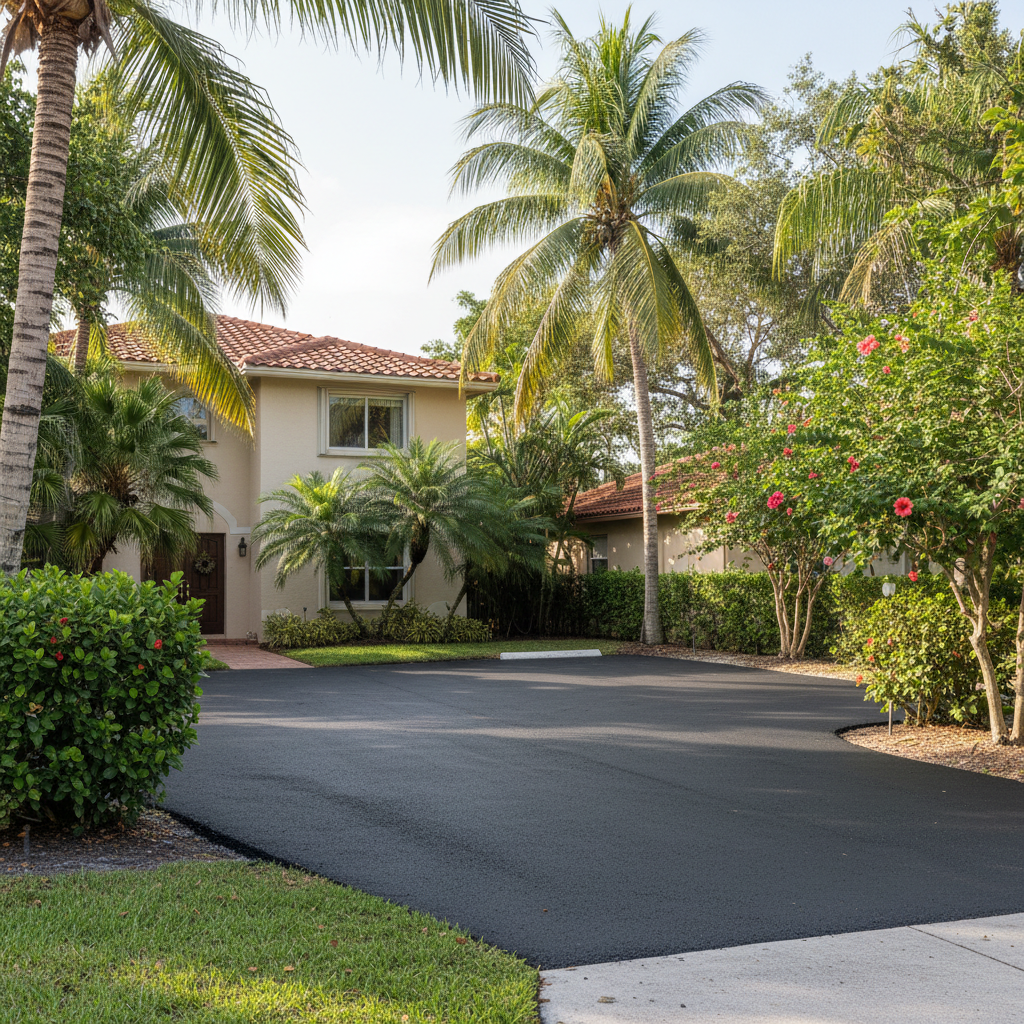
Ever notice how fast a summer downpour in Miami Gardens can turn a parking lot into a temporary lake? Property owners around Carol City or near Hard Rock Stadium know that the local weather is very intense. Between the scorching sun beating down nine months out of the year and the torrential afternoon thunderstorms during hurricane season, asphalt takes a very heavy beating in South Florida.
Most people do not think about their pavement until something breaks. But if you want to avoid massive repair bills, you have to work with the climate instead of fighting it. Classic Asphalt Inc tells clients to handle their asphalt through the shifting seasonal patterns down here by following specific maintenance schedules.
Dry Season Paving and Scheduling
The dry season, running roughly from November through April, is prime time for any heavy asphalt work. The humidity drops just enough, and workers are not dodging daily rain squalls that ruin fresh hot-mix asphalt before it cools. If you need a new parking lot paved, major patching done, or fresh sealcoating applied, this is your window. Trying to pour asphalt in the middle of a July afternoon shower is a recipe for disaster. The trapped moisture weakens the mix from the inside out.
Classic Asphalt Inc always advises property owners to book their major projects during these drier, cooler months. The material cures right, the heavy equipment does not sink into saturated subgrades, and you get a much longer lifespan out of your investment.
Surviving the Wet Summer Months
Once May hits, the rules change entirely. Daily afternoon deluges test every inch of your drainage. Water is asphalt's worst enemy. When it pools in low spots or finds its way into tiny hairline cracks, it erodes the sub-base underneath. Once that base gives way, you are looking at alligator cracking and full-blown potholes.
During the wet season, your main job is monitoring. Walk your property after a heavy storm. Where does the water pool? Is it draining off the asphalt quickly, or is it sitting there for hours? Standing water needs to be addressed with proper drainage fixes or spot milling before it destroys the surrounding pavement.
Beating the South Florida Sun
People forget what UV rays do to asphalt. That blazing sun bakes the essential oils right out of the binder, leaving the surface brittle, faded, and gray. Once oxidation takes over, the aggregate starts popping loose and dusting off.
To stop this, you need a proactive defense. Applying a quality coal-tar or asphalt emulsion sealcoat every two to three years acts like sunscreen for your pavement. It blocks the UV penetration and keeps the asphalt flexible enough to handle heavy delivery trucks rolling across your lot.
Keep an eye on your parking lot markings, too. Bright, clean striping keeps traffic flowing safely and prevents awkward fender-benders. Combine good drainage habits, smart scheduling during the dry months, and regular UV protection, and your asphalt will easily weather whatever the climate brings to Miami Gardens.