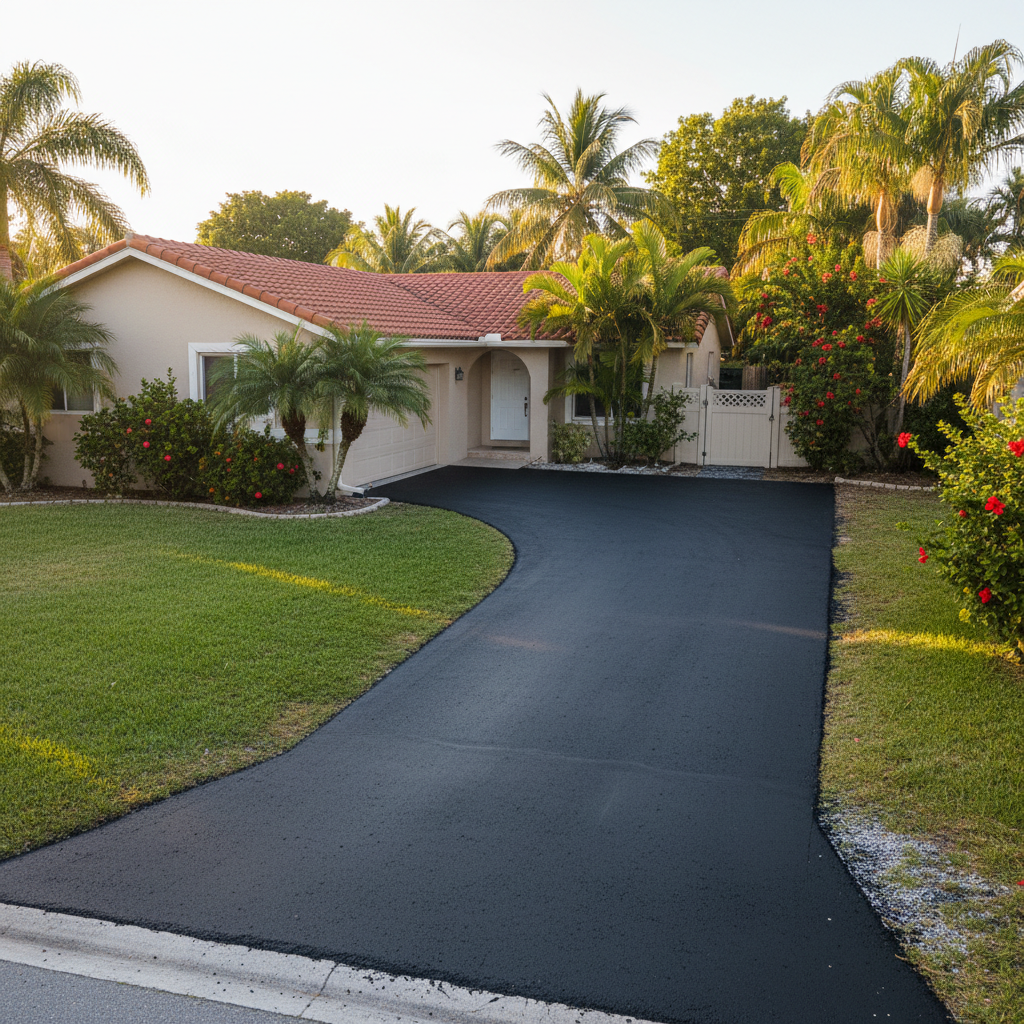
Alright, let's talk driveways. You're thinking about getting a new one, maybe upgrading from that old cracked concrete or finally getting some proper asphalt down. That's a big project, and you don't want to mess it up. I’ve been doing this for years here in Miami Gardens, and I’ve seen it all. So, let me give you the rundown on what you need to know before you even pick up the phone to call a contractor.
Planning Your Driveway Project: The Timeline
People always ask me, “How long is this going to take?” And the answer, like most things, is “it depends.” But I can give you a good idea.
- Initial Contact & Quotes (1-3 weeks): First, you're calling around, getting a few quotes. Don't just get one. Get at least three. You need to compare apples to apples, not just the price. Are they talking about the same materials? The same prep work?
- Scheduling (2-6 weeks out): Once you pick a contractor, they'll fit you into their schedule. Good contractors are busy, especially during our drier seasons when the weather is more predictable. If someone can start tomorrow, that's a red flag.
- Permits (If needed, 2-4 weeks): For most residential driveways, you might not need a permit if you're just replacing what's there and not changing the footprint or drainage significantly. But if you're expanding, changing the grade, or adding drainage, your contractor should handle the permit process. Make sure they do.
- Actual Construction (3-7 days): The actual work itself usually goes pretty quick. Demolition, grading, base layer, and then the asphalt or concrete. This is where the magic happens.
- Curing Time (3-7 days for asphalt, 7-28 days for concrete): You can't just drive on it right away. Asphalt needs a few days to harden up, especially with our South Florida sun. Concrete takes longer to fully cure and reach its maximum strength. Your contractor will tell you exactly when it's safe to use.
So, from start to finish, you're probably looking at anywhere from 6 to 12 weeks. Don't rush it. A good job takes time.
What to Expect During the Process
Okay, you've picked your contractor, the schedule's set. What's it actually going to look like when they show up?
- Demolition: If you've got an old driveway, it's coming out. Expect noise, dust, and a big pile of rubble that'll get hauled away. This is usually the messiest part.
- Excavation & Grading: They'll dig down, remove old material, and then grade the area. This means shaping the ground so water drains away from your house, not towards it. This is super critical in Miami Gardens, especially with our heavy summer downpours. You don't want standing water, which can undermine your foundation over time.
- Base Layer Installation: This is the foundation of your new driveway. It's usually crushed rock or gravel, compacted down tight. Don't let anyone skimp on this. A weak base means a weak driveway, no matter how good the top layer is.
- Paving (Asphalt or Concrete): This is the final layer. For asphalt, it's hot, black, and smells a bit. For concrete, it's wet, grey, and gets smoothed out. It's pretty cool to watch.
- Cleanup: A good crew will clean up their mess. They shouldn't leave you with debris or equipment scattered around.
It's going to be a construction zone for a few days. Plan accordingly. You won't be able to park in your driveway, so figure out street parking or where you'll put your cars.
How to Prepare Your Property
You can help make things go smoother for everyone:
- Clear the Area: Move your cars, trash cans, planters, kids' toys, anything that's in or near the driveway.
- Trim Landscaping: If you have bushes or tree branches hanging over the driveway, trim them back. This gives the crew room to work and protects your plants.
- Mark Sprinklers/Utilities: If you know where your sprinkler heads or underground utility lines are, mark them with flags or spray paint. While contractors should call 811 before digging, it's an extra layer of protection.
- Talk to Your Neighbors: Give them a heads-up that there will be some noise and activity for a few days. It's just good neighborly practice.
- Plan for Access: Think about how you'll get in and out of your house without using the driveway during the work and curing period.
Questions to Ask Before Signing a Contract
This is where you protect yourself. Don't be afraid to ask tough questions.
- Are you licensed and insured? Get their license number and verify it with the state. Ask for proof of insurance (liability and workers' comp). If they can't provide it, walk away. Period.
- What's included in the quote? Is it just the paving, or does it include demolition, hauling away debris, grading, base material, and cleanup? Make sure everything is spelled out.
- What materials will you use? Ask about the thickness of the base and the top layer. For asphalt, what kind of mix? For concrete, what PSI rating?
- How will you handle drainage? This is crucial in South Florida. They should have a plan to ensure water flows away from your home and doesn't pool on the driveway. We see a lot of problems around places like the Andover neighborhood where the soil can be tricky, and proper grading is key.
- What's your warranty? How long is it, and what does it cover? Get it in writing.
- What's the payment schedule? A reputable contractor won't ask for 100% upfront. A common schedule is a deposit, progress payments, and a final payment upon completion and your satisfaction.
- Can I see some references or examples of your work? A good contractor, like us at Classic Asphalt Inc, will be happy to show you past projects.
- What's the estimated start and completion date? Get this in writing too.
Don't sign anything you don't understand. Read the contract carefully. If something feels off, trust your gut. A new driveway is an investment in your home, and you want it done right. Do your homework, ask the right questions, and you'll end up with a driveway you'll be happy with for years.