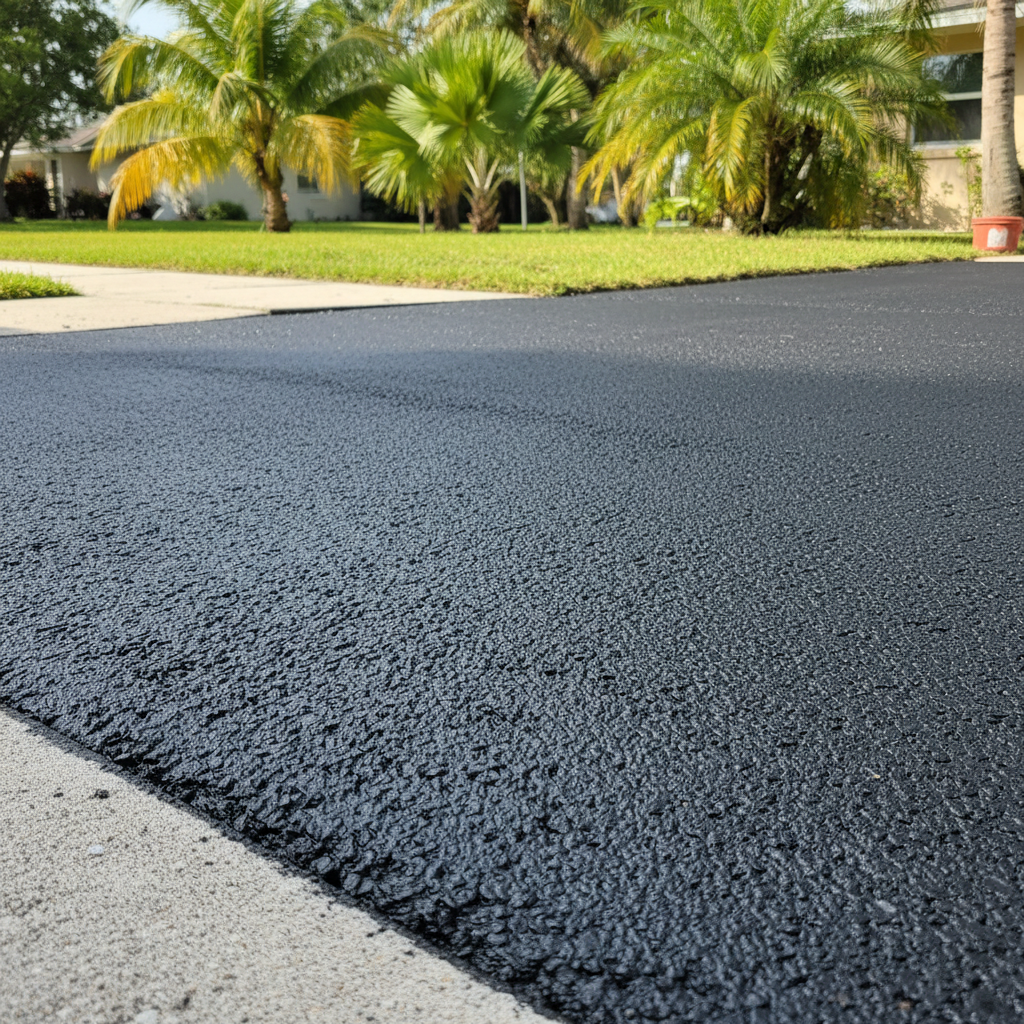
What Exactly is Slurry Coating?
Alright, let's cut right to it. You've got an asphalt driveway, right? Maybe it's looking a little faded, got some tiny cracks, or just isn't as sharp as it used to be. That's where slurry coating comes in. Think of it like a protective sunscreen and a fresh coat of paint for your asphalt. It's a mix of asphalt emulsion, fine aggregates (like sand), water, and some other stuff that gets spread over your existing pavement.
Now, it's not a miracle cure for big problems, though. If your driveway's got major potholes, deep cracks, or it's falling apart, slurry coating isn't going to fix that. You're looking at repairs or even a full repave in those cases. What it *does* do is seal up those tiny hairline cracks, protect the asphalt from sun and water damage – which, let's be honest, we get plenty of down here in Miami Gardens with our intense sun and heavy rains – and give it a nice, fresh black appearance. It extends the life of your driveway, plain and simple.
Before You Even Think About Starting
Preparation is everything, and I mean *everything*. You can't just slap this stuff down. Here's what you need to do first:
- Clean, Clean, Clean: Your driveway needs to be spotless. I'm talking about sweeping off all loose dirt, leaves, and debris. Then, power wash it. Get rid of all the oil spots, grease, and grime. If you've got stubborn stains, you might need a degreaser and a stiff brush. Let it dry completely. And I mean bone dry. You don't want any moisture trapped under that new coating.
- Fix the Little Stuff: Remember those hairline cracks I mentioned? Now's the time to fill them. You can buy asphalt crack filler at most hardware stores. Follow the directions, let it cure. Any weeds growing through cracks? Pull them out and treat the area so they don't come right back.
- Check the Weather: This is crucial, especially in South Florida. You need a few days of dry weather with temperatures above 50°F (but not scorching hot, either, or it'll dry too fast). No rain in the forecast, no heavy dew. Humidity can affect drying times too. You don't want to do all that work only to have a sudden afternoon downpour wash it all away.
DIY or Call a Pro?
This is the big question, right? Slurry coating *can* be a DIY project for smaller, well-maintained driveways. If you've got a small, relatively flat driveway, and you're comfortable with a bit of physical labor, you might be able to tackle it yourself.
Here's what you'll need if you go DIY:
- The slurry coating material itself. Read the labels carefully – some are ready to use, others need mixing.
- A squeegee or a specialized asphalt sealer brush.
- Safety gear: gloves, old clothes, eye protection. This stuff is messy.
- Painter's tape and plastic sheeting to protect garage doors, sidewalks, and landscaping.
Start at the highest point of your driveway and work your way down, spreading the coating evenly. Don't go too thick, or it won't cure right. Overlap your passes slightly. It's a workout, for sure. You'll likely need two coats, with proper drying time in between.
Now, when should you call a pro like us at Classic Asphalt Inc? If your driveway is:
- Really big or has a steep slope.
- Got a lot of curves or tricky edges.
- In worse shape than just hairline cracks – maybe it needs extensive patching first.
- You just don't have the time or the back for it.
A professional crew has the right equipment, the experience to apply it evenly and efficiently, and they know how to handle any unexpected issues. They'll also typically guarantee their work, which offers some real comfort.
After the Job's Done
Whether you did it yourself or hired someone, the work isn't over when the coating is down. You've got to let it cure properly. This usually means staying off it for at least 24-48 hours, maybe even longer if it's humid or cooler. Don't drive on it too soon, don't park heavy vehicles on it, and don't let kids ride bikes or play on it. You want that coating to harden up and bond completely.
Once it's cured, you'll have a beautiful, fresh-looking driveway that's protected from the elements. To keep it looking good, sweep it regularly to remove debris, and address any new stains or small cracks as they appear. A good slurry coat can last a few years, but you'll want to reapply it every 2-5 years, depending on traffic and how harsh the weather's been. It's an investment in keeping your property looking sharp and protecting your asphalt for the long haul.